






“I love working with Tilden students because they range from A - Z in terms of types and backgrounds. They all experience success academically, and that turns them into confident and happy individuals.”Jan Russell, College Counselor
How We Support Attention Differences

One-on-One Instruction that Works
Because all classes at Tilden are taught one-on-one, distractions are minimized and teachers can give their full attention to each student. This structure allows for flexible pacing, redirection when focus drifts, and customized strategies to keep students engaged.
Instruction Rooted in Empathy and Strengths
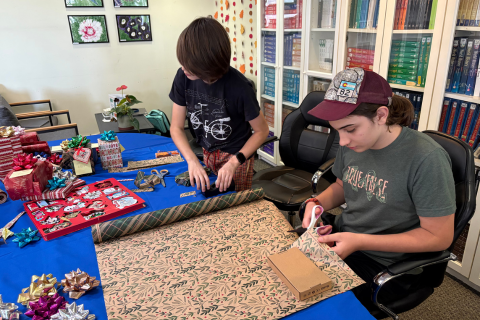
We know attention differences don’t define a student, they simply shape how they learn best. Our teachers use empathy-based instruction to build strong relationships and strength-based approaches to highlight each student’s talents. By focusing on what students can do, we help them build confidence and motivation.
Mastery Learning for Confidence and Progress
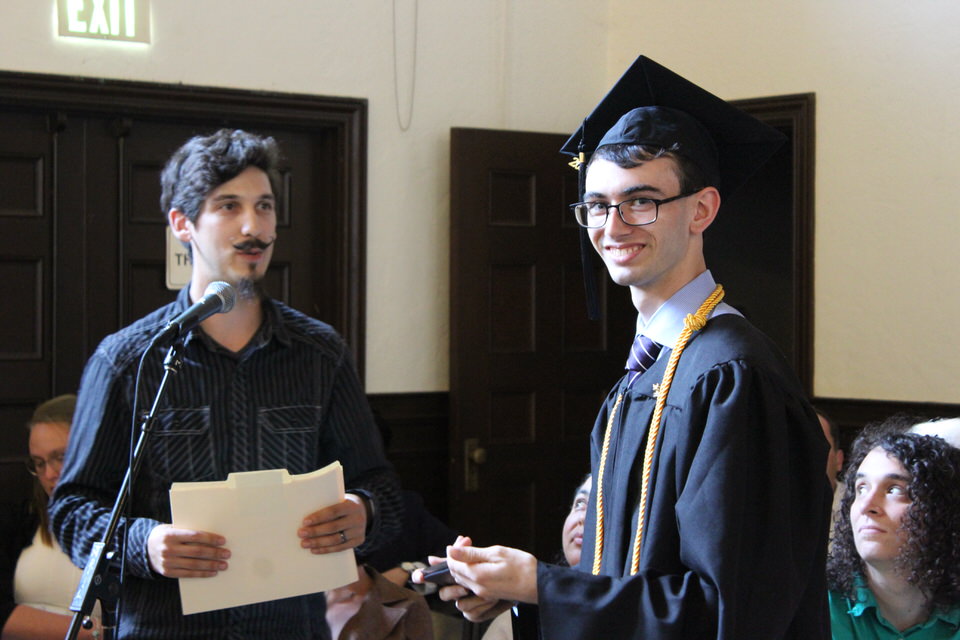
With mastery learning, students move forward only after fully grasping the material. This reduces pressure, helps prevent gaps in understanding, and turns learning into a series of achievable successes, a key support for students who may feel discouraged in larger, faster-paced classrooms.

Universal Design for Learning (UDL)
Our use of Universal Design for Learning means lessons are presented in multiple ways: visual, auditory, hands-on, and students are given flexible options for how to show what they’ve learned. This keeps learning accessible, interactive, and supportive of different attention styles.
Expertise with Attention Challenges
Tilden teachers are experienced in supporting students with:
- ADHD (inattentive, hyperactive, and combined types)
- ADD (attention challenges without hyperactivity)
- Executive functioning difficulties (organization, planning, time management)
- Co-occurring challenges such as anxiety or processing differences