

Supporting Students with Mental Health Challenges
A safe, flexible, and personalized school environment where middle and high school students can re-engage with learning and rebuild confidence.




“Our son went from being self conscious, lacking confidence, and getting average and below average grades to getting straight A's in just one semester. … long story short, he is transformed. He has greater confidence, and after his first day at Tilden, he said he can see himself loving school again. The one-on-one learning is perfect for our son. His lowest grade was an A-!”Tilden Parent
How We Support Students with Mental Health Challenges
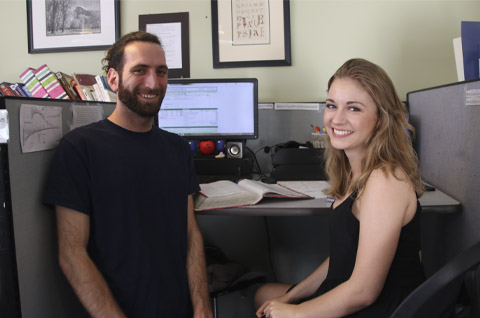
A Calmer, More Supportive Environment
Our one-on-one classes provide a quieter, low-stress alternative to large classrooms. Without the pressure of peers or rigid schedules, students feel safer and more open to learning. Teachers adjust lessons to match energy levels, attention spans, and emotional readiness.
Empathy-Based Teaching and Strengths First
Tilden teachers lead with empathy, understanding that academic struggles are often tied to emotional challenges. We build strong, supportive relationships and use a strength-based approach, reminding students of what they can do, and helping them rediscover their confidence and motivation.

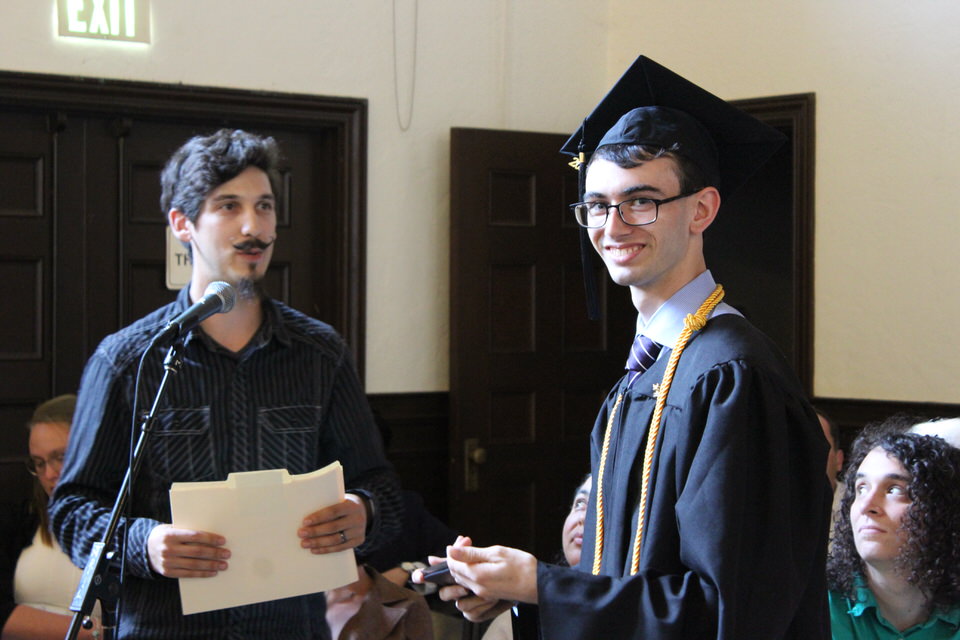
Mastery Learning for Small Wins
With mastery learning, students move forward only once they’ve understood the material. This structure allows for consistent success and reduces the stress of falling behind. Each small win builds momentum and helps students see progress at their own pace.
Universal Design for Learning (UDL)
We use Universal Design for Learning strategies to make lessons flexible and accessible. By providing multiple ways to engage with material and demonstrate understanding, students with mental health challenges have choices in how they learn, reducing pressure and increasing comfort.

Expertise in Mental Health Support
Tilden teachers are experienced in working with students who face:
- Anxiety and school avoidance
- Depression and low motivation
- Stress related to performance or social pressures
- Executive functioning difficulties that stem from emotional challenges
- Re-entry into academics after time away from school